
Meet the Team
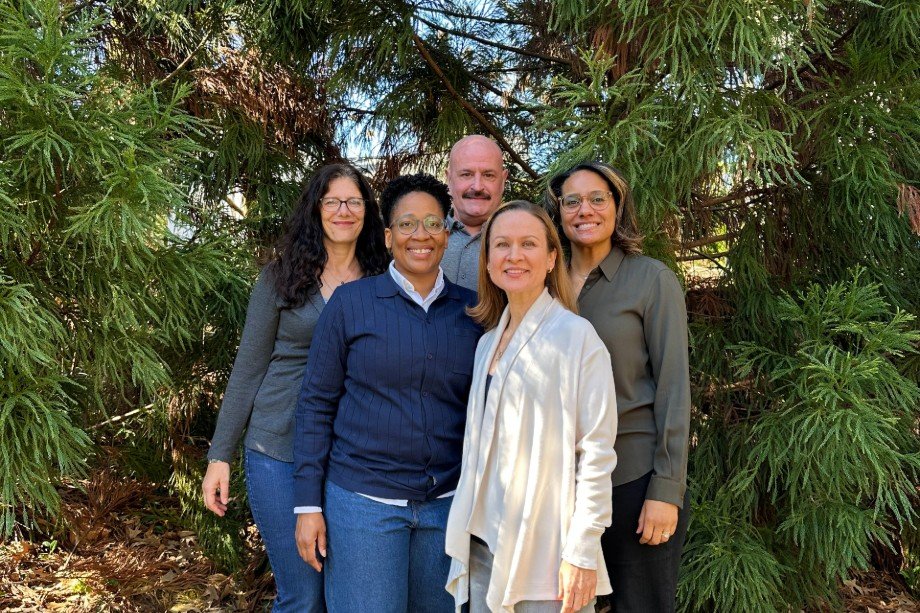
SPARC Lab was founded by experts in public health communication, behavioral science, and applied research and evaluation with decades of combined experience. While we bring a strong network of collaborators to this work, meet our founding team!
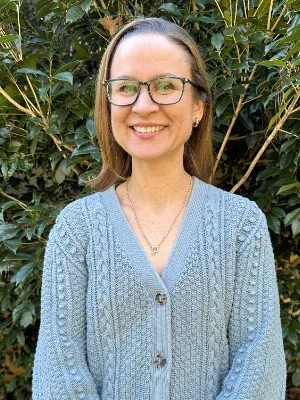
I’m Alycia Downs(she/her). I am a communications specialist and health educator. I have more than 19 years of public health experience serving in the areas of HIV prevention, tobacco and smoking cessation, immunizations and respiratory diseases, viral hepatitis, and emergency and risk communications. I have led national campaigns, web and digital content transformations, clinician training efforts, and served on multiple emergency responses. I received my Master of Public Health from Emory University in Atlanta, GA with a focus on Behavioral Sciences and Health Education. Three things about me that aren’t on my resume:
I believe health is a human right. Everyone deserves access to health care, information, and an environment that supports their well being.
I have a desire to understand and connect with people, including the people I work with and the communities I serve.
I love learning. I enjoy reading, watching documentaries, and listening to podcasts, preferably with my dog in my lap.
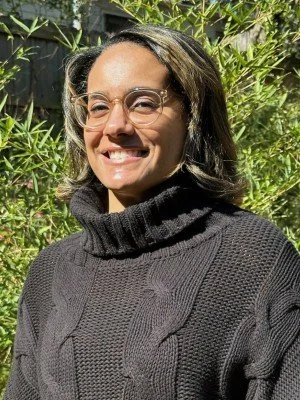
I’m Hannah Getachew-Smith (she/her), an evaluator and behavioral scientist. I have worked in public health for more than 15 years at the federal, state, and local levels in both the public and non-profit sectors. I completed my doctorate in Media, Technology, and Society at Northwestern University’s School of Communication and was trained in public health with an emphasis on behavioral sciences and health education, earning a Master of Public Health from the Rollins School of Public Health at Emory University. I am also a Certified Health Education Specialist (CHES). Three things about me that aren’t on my resume:
I thrive in teams that work together to establish a shared goal and an environment where everyone can contribute.
I enjoy nerding out over the best ways to communicate data in ways that are digestible and accessible for all audiences.
My favorite books growing up were Choose Your Own Adventure books because I love the idea that the same story can have different outcomes, and I try to approach projects with that same understanding.
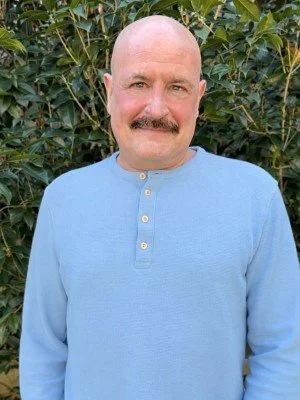
I’m Jeffrey Kemp Rinderle (he/him). I’m a social marketing and communications leader with more than three decades of experience working in public health, higher education, and non-profit settings. Most recently, I spent ten years as a Health Communication Specialist at the Centers for Disease Control and Prevention, where I led a team working on national, multi-channel communication initiatives focused on HIV prevention, clinical education, and health equity. My work is grounded in strategy and research, with a focus on understanding audiences and choosing the right channels to reach them. I hold a master of science degree in health education from Pennsylvania State University. At SPARC Lab, I bring all of this together to help organizations develop communications that people trust and act on. Three things about me that aren’t on my resume:
I am drawn to thoughtful, collaborative environments where people ask hard questions and say what they mean.
Humor matters to me, especially when doing serious work. I find that a well placed sense of humor builds trust, keeps people engaged, and makes collaboration easier.
I do my best work with people who lead with kindness and good judgment, and I try to bring both into every project
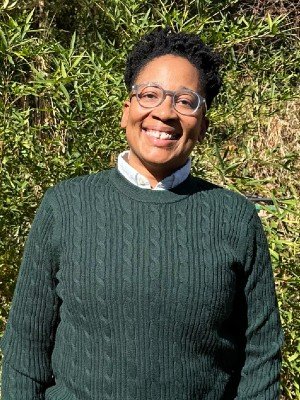
I’m Jocelyn Taylor (they/she). I’m a behavioral scientist and communication strategist. I spent more than fifteen years working in HIV communication at the Centers for Disease Control and Prevention, where I guided national campaigns, message testing, and digital tools that supported informed decision making and helped build community trust.
My work sits at the intersection of research, science translation and strategic advising. Across roles, I set content strategy, stewarded large portfolios, and supported multidisciplinary teams as they turned evolving evidence and competing priorities into clear, actionable guidance. I received a Master of Public Health from Emory University in Atlanta with a focus on Behavioral Sciences and Health Education. Three things about me that aren’t on my resume:
I’m comfortable with uncertainty. I don’t rush to solutions. The clearest answers often emerge when teams slow down long enough to understand what is driving the challenge. I listen actively to understand the full scope of an issue, then use what I learn to help teams gain clarity and take action.
I can spend a surprising amount of time thinking about a single word. I’m fascinated by messaging and how choices in language, framing, and tone shape what people hear and how they respond.
I’m an integrator by nature. I help groups weigh competing inputs to reach decisions that advance their goals while not compromising their principles.
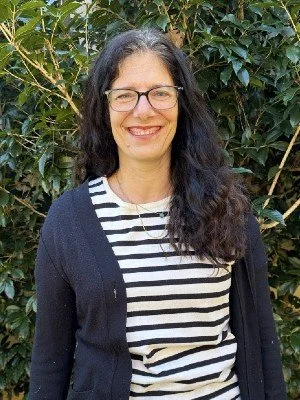
I’m Jo Stryker (she/her). I work at the intersection of research, strategy, communication and implementation. I have more than 25 years of experience in public health communication, including translating science into clear, practical communication strategies. I spent sixteen years at the CDC’s Division of HIV Prevention leading national campaigns, evaluations, and risk communication efforts. My work has including support for outbreak responses including HIV, COVID-19, mpox, Ebola, and Zika. I have served as an Assistant Professor at Emory University and the University of Illinois at Urbana-Champaign, with research focused on the intended and unintended effects of communication on preventive health behaviors. I earned my PhD from the Annenberg School for Communication at the University of Pennsylvania and completed a post-doctoral fellowship in public health at the Harvard School of Public Health. Three things about me that aren’t on my resume:
I’m an expert cat herder. I’m good at bringing together people with different priorities, perspectives, and constraints, and helping them find a way forward.
I listen more than I talk until I understand what’s really going on. I ask questions, absorb context, and hold back on solutions until the picture is clear.
My perspective is shaped by a deep and longstanding commitment to empathy and respect for diversity. That orientation guides how I build trust and approach change.